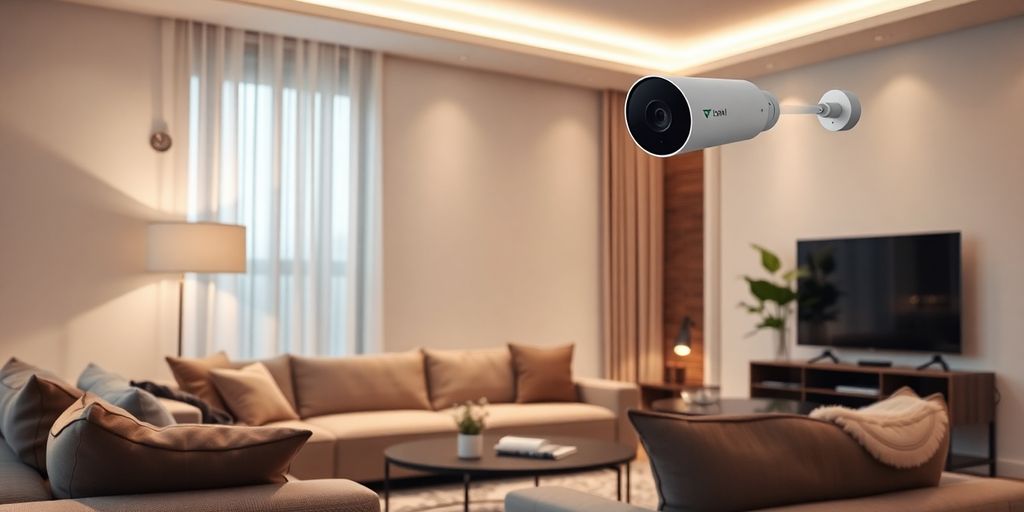
In 2025, AI security cameras are set to change the way we think about home safety. With technology advancing rapidly, these smart devices offer more than just video recording. They come packed with features that enhance security, streamline monitoring, and even integrate with other smart home devices. This article explores the current state of AI security cameras, their future potential, and the immediate benefits they bring to homeowners.
Key Takeaways
- AI security cameras can differentiate between people and objects, reducing false alarms.
- Future advancements will improve facial recognition and predictive analytics for better safety.
- Homeowners benefit from enhanced threat detection and a smoother user experience.
- AI cameras analyze data in real-time, making them smarter than traditional systems.
- Challenges include privacy concerns and the cost of implementation.
Where AI Security Cameras Are Today
Current Capabilities of AI Cameras
AI security cameras have come a long way! They're not just recording devices anymore; they're smart systems that can actually understand what they're seeing. Think of it like this:
- Object Recognition: They can tell the difference between a person, a car, and a pet. This cuts down on false alarms big time.
- Facial Recognition: Some cameras can recognize faces, letting you know when family members arrive or alerting you to unfamiliar people.
- Behavior Analysis: They can detect unusual activity, like someone loitering or a package being left unattended. This is a huge step up from just recording footage.
AI cameras use advanced algorithms to analyze footage in real-time, identifying threats and unusual activity with unmatched precision. They're transforming security in various settings, offering tailored monitoring solutions.
Integration with Smart Home Systems
One of the coolest things about today's AI cameras is how well they play with other smart home devices. It's all about creating a connected ecosystem. For example:
- Seamless Connection: They can connect to your smart locks, allowing you to remotely unlock your door for a delivery person after verifying their identity.
- Automated Responses: If the camera detects motion in your yard at night, it can automatically turn on your smart lights to deter potential intruders. This is a great way to prevent theft.
- Centralized Control: You can control your cameras and other smart devices from a single app, making it easy to manage your home security from anywhere.
Real-Time Monitoring and Alerts
Forget endlessly scrolling through hours of footage. AI cameras offer real-time monitoring and alerts, so you can stay informed about what's happening at your home, no matter where you are. Here's what that looks like:
- Instant Notifications: Get alerts on your phone when the camera detects something suspicious, like a person entering your property after dark.
- Remote Viewing: Check in on your home anytime, from anywhere, using your smartphone or tablet. This is especially useful when you're on vacation.
- Customizable Alerts: Set up custom alerts based on specific criteria, like motion in a certain area or a specific person being detected. This ensures you only get the alerts that matter to you. These cameras offer proactive surveillance for businesses and organizations.
The Future of AI in Home Security
Advancements in Facial Recognition
Facial recognition is getting seriously good. I mean, think about it – your camera could soon recognize not just who is at your door, but maybe even their emotional state. It's not just about identifying faces anymore; it's about understanding intent. This means fewer false alarms from delivery drivers and quicker responses to actual threats. It's like having a super-attentive, AI-powered security guard at your beck and call.
Predictive Analytics for Enhanced Safety
Imagine your security system predicting a potential break-in before it even happens. Sounds like science fiction, right? Well, predictive analytics are making it a reality. By analyzing patterns in your neighborhood, past crime data, and even subtle changes in your environment, AI can identify potential threats and alert you before they escalate. It's all about being proactive, not reactive. Here's what that might look like:
- Analyzing historical crime data in your area.
- Monitoring social media for local threat indicators.
- Detecting unusual loitering patterns near your home.
This kind of predictive capability could seriously change the game, turning your home security system into a true crime prevention tool.
Automation of Security Processes
Okay, let's be real – managing a home security system can be a pain. But what if AI could automate most of it? Think about it: automatically locking doors at night, adjusting camera angles based on detected movement, and even contacting emergency services without you having to lift a finger. It's all about making your life easier and your home safer, without adding extra stress. Plus, imagine the possibilities with smart home integration. No more fumbling with apps or worrying about forgetting to arm the system. It just works.
Immediate Benefits for Homeowners
Enhanced Threat Detection
AI security cameras are a game-changer. They don't just record; they understand what they're seeing. This means they can tell the difference between a squirrel running across your lawn and, say, someone trying to jimmy a window. It's like having a super-attentive guard dog, but without the barking at the mailman. The ability to accurately identify potential threats is a huge step up from traditional systems. You can get top AI security cameras that offer real-time analysis.
Reduced False Alarms
Okay, let's be real: nobody likes false alarms. Waking up in the middle of the night because your security system thought a spider was an intruder? Not fun. AI cameras drastically cut down on these annoying incidents. They use smart algorithms to filter out common triggers like moving trees, animals, and even changes in light. This means fewer panicked calls to the police and a lot less stress for you. It's about time we had a system that's actually smart, right?
Improved User Experience
Let's face it, older security systems can be clunky and hard to use. AI cameras are different. They often come with user-friendly apps and interfaces that make it easy to check your feed, adjust settings, and review footage. Plus, many integrate seamlessly with other smart home devices, so you can control everything from one place. It's all about making your life easier and giving you peace of mind without the headache. Here are some ways AI improves the user experience:
- Easy setup and installation.
- Intuitive mobile apps for remote monitoring.
- Customizable alerts and notifications.
AI security cameras are not just about security; they're about convenience and control. They give you the power to monitor your home from anywhere, anytime, with a level of detail and accuracy that was simply not possible before. This is a big deal for anyone who wants to feel safe and secure without sacrificing their sanity.
Understanding AI Security Camera Systems
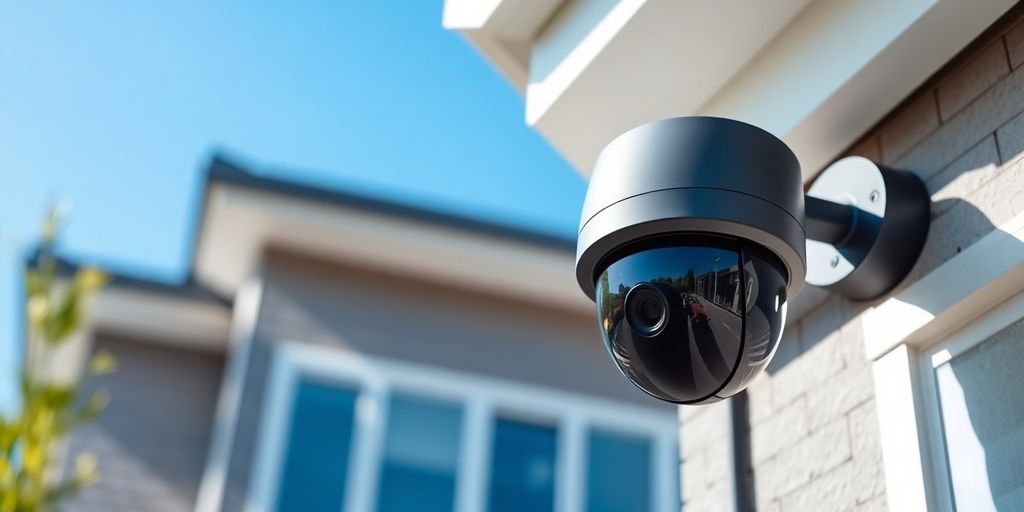
Core Features of AI Cameras
AI security cameras are more than just your average surveillance tool. They're packed with features that make them incredibly smart and effective. Think of them as having a brain that can analyze what it sees. Here's a quick rundown:
- Facial Recognition: They can identify people, which is great for knowing who's coming and going.
- Object Detection: They can tell the difference between a person, a car, or even a package. This helps cut down on false alarms.
- Behavior Analysis: They can learn what's normal and flag anything that seems out of the ordinary. This behavioral analysis is super useful for spotting potential problems before they happen.
How AI Cameras Analyze Data
So, how do these cameras actually think? It's all about the data. AI cameras use complex algorithms to process the video they capture. They're constantly learning and improving, which means they get better at spotting threats over time. It's like teaching a dog new tricks, but instead of treats, they get more data. The AI analyzes patterns, compares them to known threats, and then sends alerts if something seems fishy. It's a pretty cool process, and it's getting more advanced all the time.
AI cameras don't just record; they understand. They analyze footage in real-time, identifying patterns and anomalies that traditional cameras miss. This proactive approach is what sets them apart.
Comparing AI Cameras to Traditional Systems
Traditional security cameras are like having a security guard who just watches and records. AI cameras are like having a security guard who also investigates and anticipates. Here's a quick comparison:
- Intelligence: Traditional cameras just record video. AI cameras analyze the video and make decisions.
- Alerts: Traditional cameras send alerts based on motion. AI cameras send alerts based on specific threats.
- False Alarms: Traditional cameras have lots of false alarms. AI cameras have fewer because they can tell the difference between a cat and a burglar. Getting a good AI camera system can really change your peace of mind.
Challenges and Considerations
Data Privacy and Security Concerns
Okay, so AI security cameras are cool and all, but let's be real – they bring up some serious questions about privacy. We're talking about cameras that can potentially record everything, and that data has to go somewhere. Is it safe? Is it encrypted? Who has access? These are things you really need to think about. Data breaches are a real threat, and the last thing you want is your home security system becoming a source of vulnerability.
- Make sure your vendor uses strong encryption.
- Look into cloud security cameras with local storage options if you're worried about cloud security.
- Read the fine print about data usage and retention policies.
It's easy to get caught up in the excitement of new tech, but don't forget the basics. Strong passwords, two-factor authentication, and regular software updates are still your first line of defense.
Ethical Use of AI Surveillance
Beyond just the technical security, there's the whole ethical side of things. Are you comfortable with a camera that's constantly watching and analyzing? What about your neighbors? Are you infringing on their privacy? It's a tricky area, and there aren't always easy answers. Think about how the data is used. Is it just for security, or is it being used for other purposes, like marketing? It's important to be aware of the potential for misuse and to make sure you're using the technology responsibly. You should also meet compliance standards to ensure you are following the law.
- Consider the impact on your neighbors' privacy.
- Be transparent about your use of AI surveillance.
- Regularly review your security setup to ensure it aligns with your values.
Cost vs. Value Analysis
Let's face it: AI security cameras aren't cheap. You're paying for the advanced features, the processing power, and the ongoing software updates. But is it worth it? That depends on your specific needs and circumstances. A basic system might be enough for some, while others might need all the bells and whistles. You need to weigh the cost against the potential benefits, like reduced false alarms, faster response times, and enhanced threat detection. Don't just look at the initial price tag; consider the long-term costs, like maintenance, storage, and potential upgrades. Also, think about behavior analysis to see if it fits your needs.
- Compare the cost of AI cameras to traditional systems.
- Assess the potential return on investment (ROI).
- Factor in the cost of ongoing maintenance and updates.
Applications Beyond Home Security
Commercial Use Cases
AI security cameras are making waves in the commercial sector. Businesses are using them for everything from loss prevention to monitoring employee activity. Think about it: a store can use business security to spot shoplifters in real-time, or a warehouse can use them to make sure employees are following safety protocols. It's not just about catching bad guys; it's about improving efficiency and creating a safer work environment.
- Retail stores are using AI to analyze customer behavior and optimize store layouts.
- Warehouses are using AI to track inventory and prevent theft.
- Offices are using AI to monitor employee activity and ensure compliance with company policies.
AI Cameras in Public Spaces
AI cameras are popping up in public spaces, too. They're being used to monitor traffic flow, detect suspicious activity, and even help with crowd control. It's a bit of a double-edged sword, though. On one hand, they can help keep people safe and make public spaces more efficient. On the other hand, there are definitely some privacy concerns to consider.
The use of AI cameras in public spaces raises important questions about privacy and civil liberties. It's important to have a public discussion about how these technologies are used and what safeguards are in place to protect people's rights.
Integration with Emergency Services
One of the most promising applications of AI security cameras is their integration with emergency services. Imagine a system that can automatically detect a fire or a break-in and alert the police or fire department. That's the kind of thing we're talking about. This intrusion alarm systems integration could save lives and reduce response times in critical situations.
- Automatic fire detection and alerts.
- Real-time video feeds for first responders.
- Faster response times to emergencies.
The Role of AI in Crime Prevention
Proactive Threat Identification
AI is changing how we think about crime prevention. Instead of just reacting to incidents, AI can help us spot potential problems before they even happen. This shift from reactive to proactive security is a game-changer.
- AI algorithms can analyze patterns in data to identify areas with a higher risk of crime.
- Predictive policing models use historical data to forecast where crimes are most likely to occur.
- Real-time monitoring can detect suspicious activities and alert authorities immediately.
By using AI, law enforcement can allocate resources more effectively and focus on preventing crime in high-risk areas. This approach not only reduces crime rates but also improves community safety and trust.
Behavioral Analysis for Suspicious Activity
AI's ability to analyze behavior is a huge step forward. It's not just about seeing what's happening; it's about understanding why it's happening. This is where AI security cameras really shine.
- AI can detect unusual movements or patterns that might indicate criminal intent.
- Facial recognition can identify known offenders or persons of interest.
- AI can analyze communication patterns to uncover potential criminal networks.
Community Safety Enhancements
AI isn't just for individual homes or businesses; it can also play a big role in making entire communities safer. Think about it – better street lighting, faster emergency response times, and more effective policing, all thanks to AI.
- AI-powered surveillance systems can monitor public spaces and alert authorities to potential threats.
- Smart city initiatives can use AI to optimize traffic flow and reduce response times for emergency services.
- AI can help analyze crime data to identify trends and develop targeted prevention strategies.
Final Thoughts on AI Security Cameras
In conclusion, AI security cameras are changing the game for home safety. They offer smarter surveillance that goes beyond just recording. With features like real-time alerts and facial recognition, these cameras help homeowners feel more secure. As technology continues to improve, we can expect even more advanced capabilities that will make our homes safer and easier to manage. Investing in AI security cameras today means taking a step towards a safer tomorrow. So, if you’re looking to boost your home security, it’s definitely worth considering these innovative solutions.
Frequently Asked Questions
What are AI security cameras?
AI security cameras are smart cameras that can analyze video in real-time. They can detect unusual activities and identify people or objects, making them more effective than regular cameras.
How do AI cameras improve home security?
AI cameras help by quickly spotting threats, reducing false alarms, and providing alerts to homeowners. They learn from patterns to better understand what's normal in your home.
Are AI security cameras expensive?
Yes, they can be pricier than traditional cameras, but their advanced features can save you money in the long run by preventing theft and reducing the need for extra security.
Can AI cameras be hacked?
Like any device connected to the internet, AI cameras can be vulnerable to hacking. It's important to use strong passwords and keep the software updated to protect your system.
Do AI cameras invade privacy?
AI cameras can raise privacy concerns, especially if they are used in public areas. It's important for users to follow laws and guidelines regarding surveillance.
What features should I look for in an AI camera?
Look for features like facial recognition, motion detection, cloud storage, and integration with other smart home devices to ensure you get the best security for your home.
This article was created with support from AI-driven technology, drawing on multiple reputable sources. The final content has been thoroughly reviewed and edited by RORO Technology's editorial team to ensure accuracy, clarity, and coherence. The opinions expressed herein belong solely to the author and do not necessarily represent the official views or positions of RORO Technology. This article is intended for informational purposes only and should not be considered financial or professional advice.
Keep Reading
Related reading

<p data-pm-slice="1 1 []">Exploring <span style="color: #e8192c;">Cloud Security</span> AI Workbench for <span style="color: #ccab4f;">Cyber Defense</span></p>
Artificial intelligence is reshaping cloud security by helping teams detect threats faster, automate analysis, and improve incident response. This article explores how a cloud security AI workbench can strengthen cyber defense through threat intelligence, malware analysis, scalable deployment, and more proactive security operations.

<p>Benefits of <span style="color: #e8192c;">Cloud Technology</span> in Healthcare for Patient Care and <span style="color: #ccab4f;">Data Management</span></p>
A practical look at how cloud technology is transforming healthcare through lower infrastructure costs, improved collaboration, faster diagnoses, remote monitoring, better data access, and more efficient patient care.

<p><span style="color: #e8192c;">Generative AI Security Risks:</span> A Practical Guide <span style="color: #ccab4f;">for Product Teams</span></p>
A practical guide to generative AI security for product teams: prompt injection, over-permissioned agents, data leaks, unsafe output handling and the controls that limit the damage.