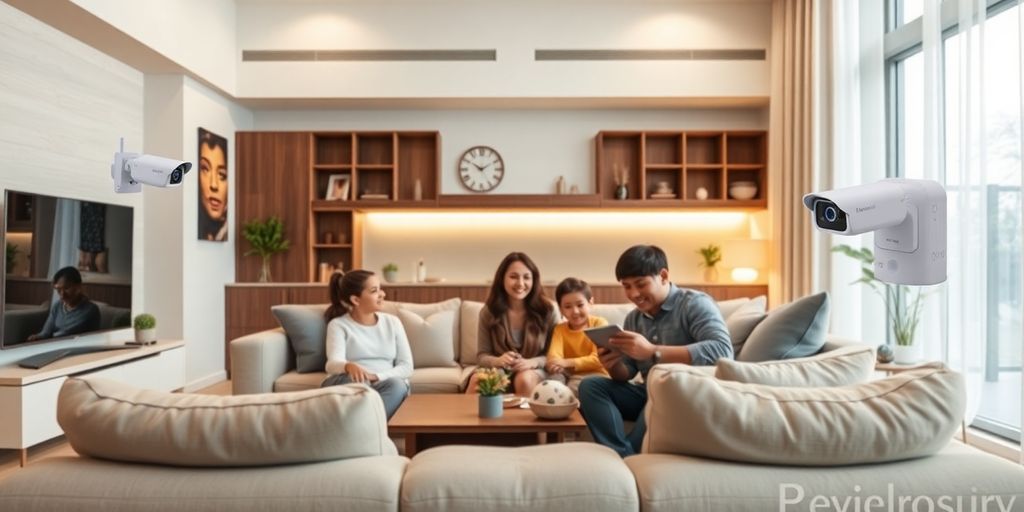
As technology continues to advance, the way we secure our homes is evolving too. AI based security systems are becoming a game-changer in home safety. These systems offer smarter, more efficient ways to protect our living spaces, making it easier to monitor and respond to potential threats. But how exactly is AI reshaping the landscape of home security? Let's explore the key features and implications of this technological shift.
Key Takeaways
-
AI cameras provide proactive monitoring and can detect unusual behavior, reducing false alarms.
-
Voice commands allow for hands-free control of security systems, making them more accessible.
-
Machine learning enables personalized security settings that adapt to your daily routine.
-
AI systems can connect with emergency services, ensuring a swift response during crises.
-
Privacy concerns are significant; it's essential to choose security providers that prioritize data protection.
Smarter Surveillance: The Power of AI in Cameras
Traditional home security used to be all about motion sensors and cameras that just recorded stuff. Now, AI security cameras are changing the game. They're not just reacting to things; they're actually thinking and figuring stuff out.
Proactive Monitoring and Threat Detection
AI takes surveillance to a whole new level. Instead of just recording, these systems actively watch for trouble. They can tell the difference between a harmless animal and someone acting suspiciously. This means fewer false alarms and faster responses when something is actually wrong.
-
Real-time analysis of video feeds.
-
Automatic flagging of unusual activity.
-
Immediate alerts sent to your devices.
AI-powered systems are like having a security guard who never blinks. They constantly analyze data, looking for patterns that could indicate a threat. This proactive approach can stop problems before they even start.
Facial Recognition Technology
Facial recognition is a game-changer. The system can learn to recognize family members, friends, and even delivery people. This means you can get alerts when a stranger is on your property, but not when your kids come home from school. It's about making security smarter and more personalized.
-
Distinguish between known and unknown individuals.
-
Create a database of approved faces.
-
Customize alerts based on who is detected.
Real-Time Alerts for Unusual Behavior
AI can spot things that a human might miss. It can detect someone loitering near your house, a package being stolen, or even unusual noises. When it sees something out of the ordinary, it sends you an alert right away, so you can take action. This threat detection is a big step up from traditional systems.
-
Customizable alert settings.
-
Instant notifications on your smartphone.
-
Integration with other smart home devices.
Voice Commands and Virtual Assistants
Imagine just telling your house to lock up for the night. That's the promise of voice commands and virtual assistants in home security, and honestly, it's pretty cool. It's not just about convenience; it's about making security more accessible and integrated into your daily life. I mean, who wouldn't want to just say, "Alexa, arm the security system," instead of fumbling with a keypad?
Hands-Free Security Control
The biggest draw is definitely the hands-free aspect. No more running back to the panel because you forgot to arm the system. You can control everything with your voice, which is super useful when you're juggling groceries or have your hands full with the kids. It's also great for people with mobility issues who might find it difficult to use traditional security interfaces.
-
Arming and disarming the system
-
Locking and unlocking doors
-
Checking the status of sensors
Integration with Smart Home Devices
This is where things get really interesting. AI security systems can connect with a whole ecosystem of smart home devices. Think about it: your lights can turn on automatically when the alarm is triggered, or your thermostat can adjust when you arm the system for away mode. It's all about creating a connected, responsive home environment that works together to keep you safe and comfortable.
It's not just about individual devices; it's about creating a smart home ecosystem where everything works together to enhance your security and convenience. The possibilities are pretty endless, and it's exciting to see how these integrations will evolve in the future.
Convenience and Accessibility
Let's be real, convenience is a major selling point. But it's not just about being lazy; it's about making security easier to use for everyone. Voice control can be a game-changer for people who aren't tech-savvy or who have disabilities that make it difficult to use traditional security systems. Plus, it just feels futuristic, doesn't it?
Here are some ways it boosts accessibility:
-
Simplified control for non-tech users
-
Voice activation for those with mobility issues
-
Remote management from anywhere
Personalized Security Through Machine Learning
Machine learning is changing how we think about home security. It's not just about reacting to threats anymore; it's about anticipating them and tailoring security to your specific needs. It's like having a security system that gets to know you and your home inside and out.
Adaptive Security Settings
AI can learn your habits and adjust security settings automatically. For example, it can arm the system when you leave for work and disarm it when you return. This personalization makes systems more efficient and enhances safety. It's all about understanding what's normal for your household so that the system can quickly identify anomalies and act accordingly. Think of it as a smart detector that learns your routines.
Routine Recognition and Automation
AI-powered systems can recognize your daily routines and automate security tasks. This means no more fumbling with keypads or apps – the system knows when you're expected home and can disarm automatically. It can also adjust settings based on the time of day or even the weather. Here are some examples:
-
Automatically locking doors at night.
-
Adjusting smart lighting based on occupancy.
-
Sending reminders to arm the system if you forget.
This level of automation not only makes your life easier but also enhances security by ensuring that your home is always protected, even when you're not thinking about it.
Anomaly Detection for Enhanced Safety
One of the most powerful features of AI in home security is its ability to detect anomalies. By learning your routines and habits, the system can identify unusual activity that might indicate a threat. This could include:
-
Unexpected motion in the yard.
-
Doors or windows opening at odd hours.
-
Unusual sounds or noises.
AI algorithms can identify unusual access patterns or unauthorized attempts and trigger alerts. This proactive approach helps prevent security incidents. AI-based safes can analyze user behavior to detect anomalies and improve security measures over time. This automated access control solutions can initiate an automatic lockdown to prevent unauthorized access before it happens.
AI-Enhanced Emergency Responses
AI isn't just about watching; it's about reacting, especially when seconds count. Traditional systems alert you, but AI can take it a step further, becoming a crucial link in getting help fast. It's like having a super-efficient assistant during a crisis.
Direct Communication with Emergency Services
Imagine a smoke detector that doesn't just beep but automatically alerts the fire department, providing your address and details about the situation. That's the power of AI. These systems can bypass the delay of manual calls, potentially saving precious time. It's about cutting out the middleman when every second matters. This is especially useful for elderly or disabled individuals who may struggle to call for help themselves. Smart detectors are now more than just alarms.
Real-Time Data Sharing
AI can provide first responders with a wealth of information before they even arrive on the scene. Think live video feeds from security cameras, floor plans of the house, and even data on hazardous materials stored inside. This allows them to make informed decisions and respond more effectively. It's about giving them the tools they need to handle the situation safely and efficiently.
-
Access to live video feeds.
-
Immediate sharing of floor plans.
-
Data on hazardous materials.
Guiding Occupants to Safety
In a fire, panic can set in, making it hard to think clearly. AI can help guide occupants to safety using smart lighting, voice prompts, and even augmented reality overlays on smartphones. It can identify the safest escape routes based on real-time conditions, like smoke and heat, and direct people away from danger. It's like having a personal guide during the chaos.
AI-driven systems are transforming emergency response by providing immediate alerts, real-time data, and guidance, ultimately improving outcomes and saving lives. It's a shift from reactive to proactive safety measures.
Privacy Concerns: The Other Side of the Coin
Okay, so AI in home security sounds amazing, right? But let's pump the brakes for a sec. It's not all sunshine and roses. There are some real privacy questions we need to think about before we jump in headfirst. It's like, sure, having a super-smart security system is cool, but what's happening with all that data it's collecting?
Data Collection and Storage Issues
This is the big one. AI systems are constantly watching and learning. That means they're gathering tons of data about your daily life. Who's coming and going? What time do you usually leave for work? What are your habits? All that info is being stored somewhere, and that's where things get a little dicey.
-
Where exactly is this data stored? Is it on a secure server, or is it just floating around somewhere vulnerable?
-
How long is it kept? Do they delete it after a certain period, or is it stored indefinitely?
-
Who has access to it? Is it just the security company, or could it be shared with third parties?
These are all important questions to ask. You don't want your personal data ending up in the wrong hands.
User Control and Data Encryption
So, what can you do about it? Well, one thing is to look for systems that give you more control over your data. Can you adjust the settings to limit what's being collected? Can you easily delete your data if you decide you don't want it stored anymore? Data encryption is also key. Encryption scrambles your data so that even if someone does manage to access it, they won't be able to read it.
-
Look for systems with strong encryption protocols.
-
Check if the system offers two-factor authentication for added security.
-
See if you can control the level of data collection.
Choosing the Right Security Provider
This is probably the most important step. Not all security companies are created equal. Some are much better than others when it comes to protecting your privacy. Do your research. Read reviews. Ask questions. Find a provider that's transparent about its data policies and has a good track record on security.
It's easy to get caught up in the excitement of new technology, but don't let that blind you to the potential risks. Take the time to understand how these systems work and what they're doing with your data. A little bit of caution can go a long way in protecting your privacy.
-
Check the company's privacy policy carefully.
-
Look for certifications and industry recognition.
-
Ask about their data breach response plan.
Key Advancements in AI Based Security Systems
AI is changing security systems fast. Instead of just reacting to problems, AI helps us watch and stop threats as they happen. Let's check out some big improvements.
Intelligent Surveillance Cameras
Modern cameras are way smarter now. They use AI to do things like recognize faces and spot weird behavior.
-
They can tell the difference between people, animals, and things.
-
They help reduce theft by watching customer behavior.
-
These cameras are not just recording devices; they actively process data.
Predictive Analytics for Threat Prevention
AI can look at old and new data to guess when something bad might happen. This helps stop problems before they start. Roro Technology offers more insights into how AI is transforming various sectors.
AI algorithms analyze historical and real-time data to predict potential security breaches or incidents before they happen. This proactive approach helps organizations anticipate and prevent threats, reducing the likelihood of security incidents.
Automated Access Control Solutions
AI can manage who goes where without people having to do it. It uses things like faces or fingerprints to let people in. This makes things safer and easier. Here are some benefits:
-
Enhances security while streamlining management.
-
Prevents unauthorized access.
-
Reduces the need for human intervention.
The Future of Home Security with AI
Emerging Technologies and Innovations
The home security world is changing fast, thanks to AI. We're not just talking about better cameras; it's about systems that can think and react. Expect to see more robots, like robotic monitoring systems, working with human guards to keep properties safe. Also, things like drone patrols and even more advanced sensors will become common. These new technologies will make it easier to protect your home.
-
AI-powered robots for perimeter patrol.
-
Advanced sensors that detect subtle changes.
-
Integration with smart city infrastructure.
AI is set to revolutionize home security by making it more proactive and personalized. It's not just about reacting to threats; it's about predicting and preventing them.
Balancing Security and Privacy
As AI gets more involved in home security, privacy becomes a bigger deal. It's important to find a balance between feeling safe and keeping your personal information private. Companies need to be clear about how they use your data, and you should have control over what's collected. Choosing a security system means thinking about both its features and its privacy policies.
-
Use strong passwords and two-factor authentication.
-
Read the privacy policies of your security providers carefully.
-
Regularly review and adjust your privacy settings.
The Role of AI in Smart Cities
AI isn't just changing home security; it's also playing a big part in making cities smarter and safer. Imagine security systems that can talk to each other and share information with emergency services. This kind of smart detectors integration can help prevent crime and respond to emergencies faster. As cities become more connected, AI will be key to keeping everyone safe.
-
Improved emergency response times.
-
Better crime prevention through data analysis.
-
Enhanced public safety with interconnected systems.
Wrapping It Up
In conclusion, AI is really changing the game when it comes to home security. We’ve seen how smart cameras and voice commands make it easier to keep our homes safe. Sure, there are still some worries about privacy and data security, but the benefits are hard to ignore. With AI, we get smarter alerts, better emergency responses, and a system that learns our habits. It’s clear that as technology keeps evolving, AI will play a big role in how we protect our homes. So, if you’re thinking about upgrading your security, now might be the perfect time to consider AI solutions.
Frequently Asked Questions
What are AI-powered security cameras?
AI-powered security cameras are smart cameras that can recognize faces and detect unusual activities. They can send alerts if they see something suspicious.
How can I control my home security system with my voice?
You can use voice assistants like Alexa or Google Assistant to control your security system. Just say a command to lock doors or check the cameras.
What is machine learning in home security?
Machine learning helps security systems learn from your habits. They can adjust settings based on your daily routine to keep your home safe.
How do AI systems respond in emergencies?
AI systems can contact emergency services directly and share real-time information. They can also guide people to safety during a crisis.
Are there privacy concerns with AI security systems?
Yes, privacy is a big concern. AI systems collect a lot of data, so it's important to choose systems that protect your information and allow you to control it.
What advancements are being made in AI security?
AI security is improving with smarter cameras, better threat prediction, and automatic access controls that use things like fingerprints for security.
This article was created with support from AI-driven technology, drawing on multiple reputable sources. The final content has been thoroughly reviewed and edited by RORO Technology's editorial team to ensure accuracy, clarity, and coherence. The opinions expressed herein belong solely to the author and do not necessarily represent the official views or positions of RORO Technology. This article is intended for informational purposes only and should not be considered financial or professional advice.
Keep Reading
Related reading

<p data-pm-slice="1 1 []">Exploring <span style="color: #e8192c;">Cloud Security</span> AI Workbench for <span style="color: #ccab4f;">Cyber Defense</span></p>
Artificial intelligence is reshaping cloud security by helping teams detect threats faster, automate analysis, and improve incident response. This article explores how a cloud security AI workbench can strengthen cyber defense through threat intelligence, malware analysis, scalable deployment, and more proactive security operations.

<p>Understanding <span style="color: #e8192c;">Centralized</span> vs <span style="color: #ccab4f;">Decentralized Systems</span></p>
A practical guide to the differences between centralized and decentralized systems, including how each model handles control, security, scalability, resilience, and decision-making for modern digital platforms.

<p><span style="color: #e8192c;">Generative AI Security Risks:</span> A Practical Guide <span style="color: #ccab4f;">for Product Teams</span></p>
A practical guide to generative AI security for product teams: prompt injection, over-permissioned agents, data leaks, unsafe output handling and the controls that limit the damage.